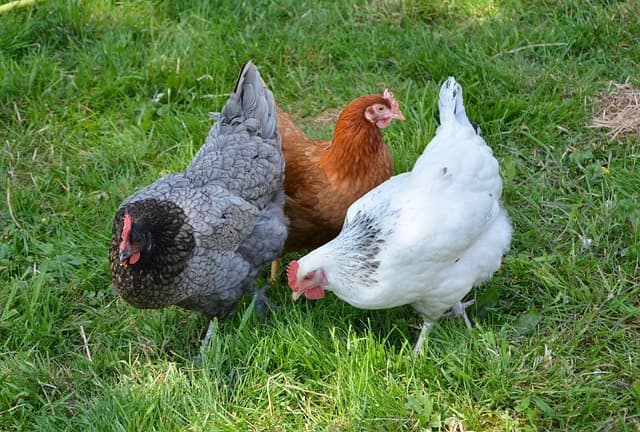

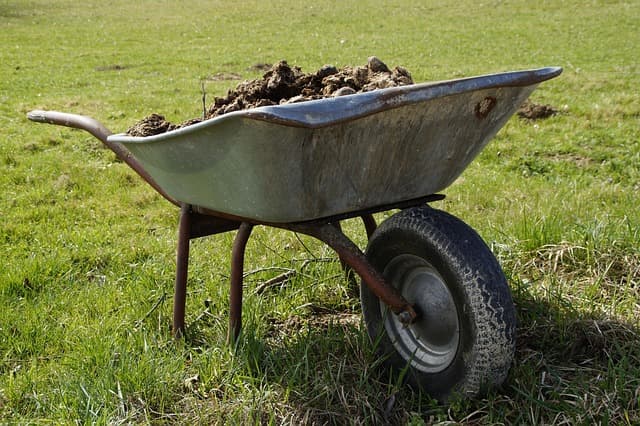
Chicken manure contains a whole range of substances that plants need for full growth and development. About 50% of fresh manure is digested organic matter. Nitrogen accounts for about 1.7% of the volume, most of it in the excrement of chickens that eat fresh grass. Other components are phosphorus (1.5%) and potassium (0.9%). Manganese, cobalt and iron, zinc, copper and molybdenum are much less in the manure. In dry manure, the mass fraction of nutrients increases by 1.2 times.
The poultry digestive tract contains bacteria involved in the fermentation of organic matter, thanks to which it is converted into substances useful for chickens. After leaving the intestines, these bacteria do not stop fermenting, but continue to convert organic matter into humus. Worms, fungi and insects help them in this process. Therefore, the use of chicken manure as a fertilizer in the garden is not only permissible, but also necessary.
How to make fertilizer with your own hands
It is advisable to know in advance the nuances of using chicken manure as fertilizer: how to breed and what to do with the finished feeding. The preparation steps are as follows:
- Soaking the raw materials.
- Insisting for a certain period of time.
- Straining (filtration).
- Dilution with water to the desired concentration.
Soaking accelerates the process of decomposition. Start the process by adding a little water to the manure. The amount of water depends on the initial state of the manure:
- for fresh – from 1 to 2 liters;
- for granulated and dry – from 2 to 5 liters;
- for stale manure – from 1 to 3 liters.
Fresh excrement is mixed with water in a large container, stirred to break up the lumps until they are completely dissolved and the mass becomes homogeneous. The mixture is then left in the sun for 2 to 6 weeks. The signal that the concentrate is ready will be a persistent earthy odor and the absence of bubbles on the surface. The liquid must be filtered if it is to be used for spraying. The final step is to add the required volume of water to the concentrate.
To prepare dry chicken manure as a fertilizer, follow the above steps, but add a bacterial preparation at the end to start fermentation.
The rules for using chicken manure as a fertilizer for different crops differ
- Cucumbers. Bushes are spilled with infusion, avoiding direct contact to avoid burns. Therefore, the infusion is poured into the aisles without getting on the roots, lashes and leaves.
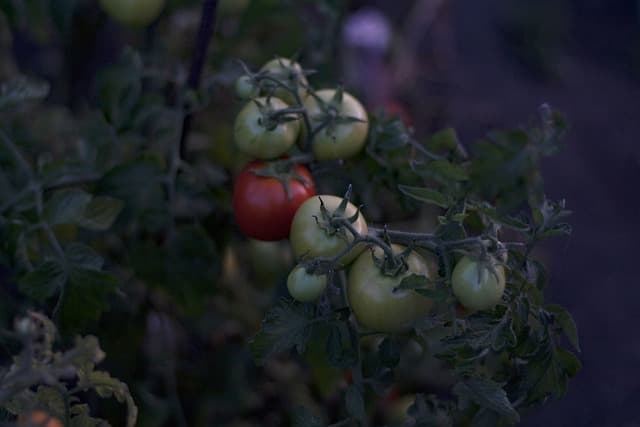
- Tomatoes. They are fed at the beginning of the growing season at the rate of 60 kg of litter per 10 m2 of beds. It is more economical to use an irrigation solution – you will need 5 buckets for the same area.
- Strawberries. You cannot apply the litter directly under the bushes, but when preparing the beds, the fertilizer will bring undeniable benefits.
- Raspberries. The bushes are fed in the spring to gain green mass. The method of application is for digging.
- Cabbage. It responds best to mulch made from bird droppings. Scatter it over the beds in a ratio of 3 kg per 1 m2.
- Potato manure. The litter is used only in the fall before digging.
- Flower beds. Chicken manure for flowers is used 3 times. The first time in March, the second – when the ovaries are formed, the third – after the flowers fall.
How and when to use it correctly
Before using chicken manure as a fertilizer, determine the dosage. The approximate consumption per 1 bush of pepper, tomatoes, cabbage is 1.5 liters. When watering row spacing, the rates are calculated taking into account the planting area (usually 1 bucket per 1 m2).
In the spring, the manure is used to saturate the soil with macro- and microelements, to provide seedlings and perennials with nitrogen. Before winter, the litter is scattered over the potato plot at the rate of 40 kg of litter per 10 m2. Fresh manure is harmful to plants, so it is used only for heating beds, mulching fields, and making infusion. To fertilize plants with chicken manure, fresh excrement is diluted with water to the state of kefir and left to rot in direct sunlight. Then the infusion is diluted with water and used to water the beds.