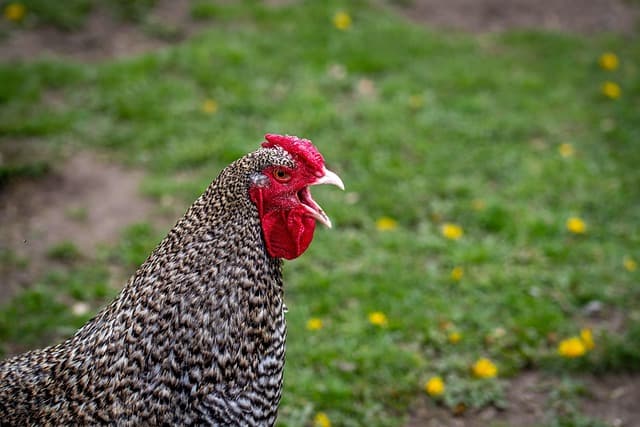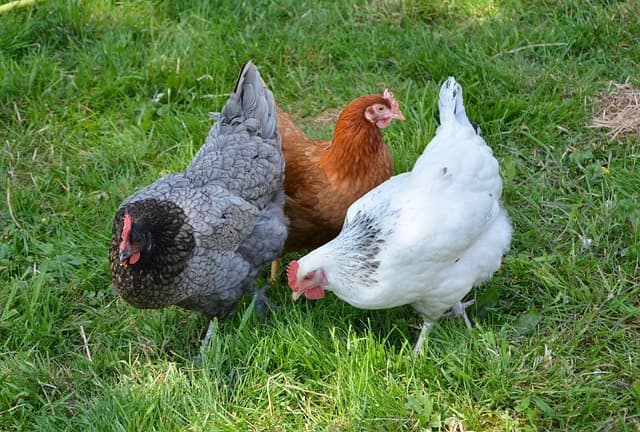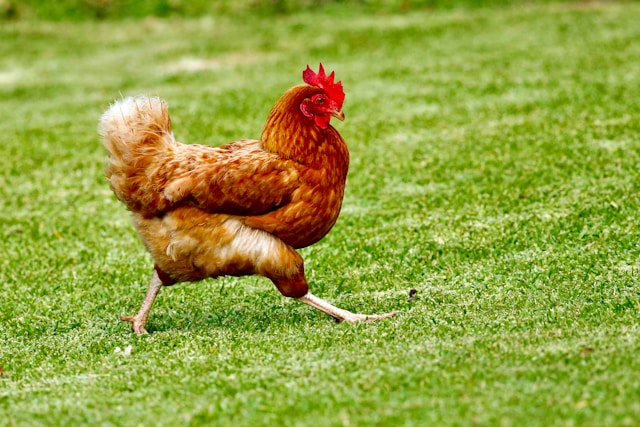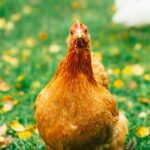
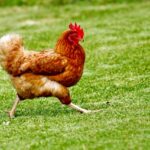

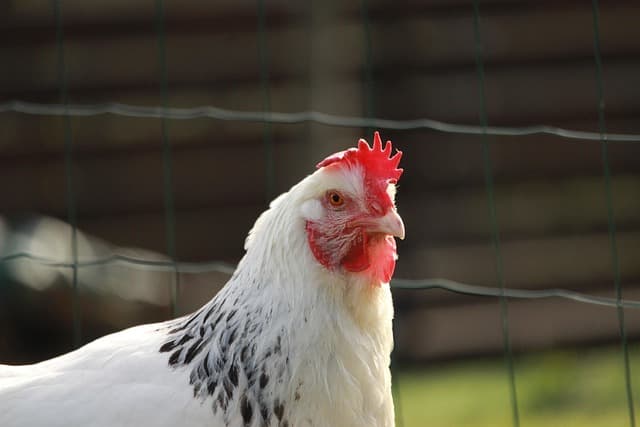
Pullets are young female hens that have not yet started laying. The term is usually applied to birds between 6 weeks of age and the start of laying, which is around 20-24 weeks in most breeds. Sometimes pullets are also called hens under one year of age if they have not yet started laying eggs. This stage of development is important for the formation of a healthy and productive laying hen, so it should be treated with special attention.
Immediately after hatching, chicks need high-protein starter feed (about 20% protein), as well as warmth, protection and cleanliness. By as early as 6 weeks, the stage when a chicken is officially considered a pullet begins. At this stage her feed is changed to the so-called “growth feed”, with a reduced protein content (about 16%), as the main growth of the body and plumage has already begun. From the 14th week onwards, there is a gradual transition to adult feed, and the bird’s body begins to prepare for oviposition.
The peculiarity of this period is the formation of social hierarchy in the flock. Pullets begin to actively interact with each other, establishing the “pecking order”, which influences their behavior as adults. It is very important that the pullets get enough space and nutrients, otherwise growth and adaptation problems may occur.
It is worth taking precautions when adding pullets to adult hens. They should preferably be at least 14-16 weeks old and comparable in size to the rest of the birds. At first it is best to keep them separate, but within sight of the flock – this will reduce the stress of abrupt integration. After a few days, if there are no signs of aggression, they can be released into a common pen.
By about 18-20 weeks of age, pullets begin to lay. This means the end of the young stage and the transition to a full-fledged laying hen. The weight of a mature pullet by this time is about 1.6-1.8 kg. To stimulate egg laying, it is important to provide optimal conditions – feed with 16% protein, cleanliness in the house and at least 14 hours of light per day.
Understanding the development of pullets not only helps avoid health problems, but also lays the foundation for a productive flock. Caring for pullets is an investment in stable egg production and the overall welfare of the hen farm.