



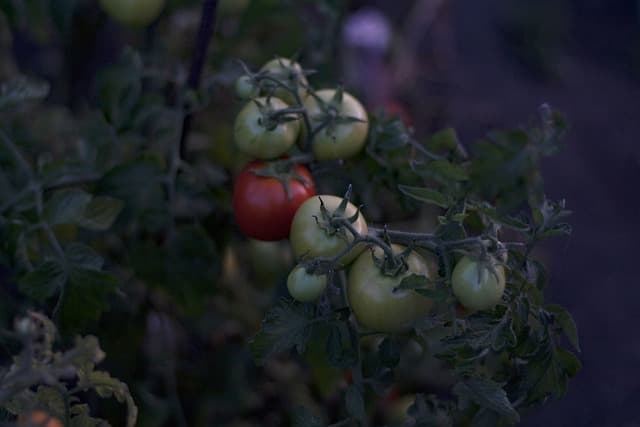
Tomato cultivation in Africa is a promising area of agriculture, especially for smallholder farmers. However, success depends on following agronomic practices adapted to local climatic conditions. Below are proven recommendations for planting, caring for and harvesting tomatoes based on the experiences of farmers from Kenya, Zambia, South Africa and Ghana.
Soil preparation and planting
- Climatic conditions: Tomatoes prefer temperatures of 20°C to 30°C during the day and 15°C to 20°C at night. In Zambia, for example, the optimum planting period is the dry season from May to October, when it is easier to control watering and reduce the risk of fungal diseases.
- Soil: A loose, well-drained loamy soil with a pH of 6.0-6.8 is ideal. A soil test is recommended before planting and an application of compost or over-fermented manure 2 weeks before transplanting.
- Sowing and transplanting: The seeds are sown 1 cm deep in raised beds. After 4-5 weeks, when the seedlings reach 15-20 cm, they are transplanted to the permanent place, keeping a distance of 45-60 cm between plants and 75-100 cm between rows.
Watering and fertilization
- Watering: Tomatoes require regular watering, especially during flowering and fruit formation. It is better to use drip irrigation to maintain even moisture and avoid overwatering, which can lead to fruit cracking.
- Fertilizer: At planting, apply phosphorus fertilizer for root development. Two to five weeks after transplanting, apply nitrogen fertilizer (e.g. urea or calcium ammonium nitrate) to stimulate growth. During flowering and fruiting, use complex fertilizers with a high potassium content.
Plant care
- Girdling and pruning: Girdle the plants to stakes or trellises to prevent fruit contact with the soil and to improve air circulation. Remove side shoots and lower leaves regularly to prevent disease.
- Weeding and mulching: Remove weeds to reduce competition for nutrients. Mulching helps conserve moisture and suppress weed growth.
Pest and Disease Control
- Pests: Whiteflies, aphids, spider mites and caterpillars are the most common. Integrated pest management practices, including the use of biological agents and selection of resistant varieties, are effective.
- Diseases: Tomatoes are susceptible to phytophthora, bacterial wilt and top rot. Prevention includes crop rotation, use of resistant varieties and maintaining optimum soil calcium levels.
Harvesting and post-harvest handling
- Harvest Timing: Tomatoes are usually ready for harvest 70-90 days after transplanting. For local markets, harvest at full maturity and for shipping at breaker stage.
- Storage: Store tomatoes in a cool, well ventilated room at 10-15°C. Use ventilated crates and avoid overheating the fruit.
Specialties by region
- Kenya: Farmers make extensive use of drip irrigation, organic fertilizers and disease-resistant varieties.
- South Africa: Recommended crop rotation at 3-4 year intervals and the use of trellises to improve ventilation and reduce disease risk.
- Ghana: Bet on sustainable farming with organic fertilizers, mulching and precision irrigation to conserve resources and increase yields.
Conclusion
Growing tomatoes in Africa requires careful attention to every step, from soil preparation to crop storage. Adhering to agronomic recommendations adapted to local conditions allows farmers to obtain stable and high yields, ensuring food security and economic benefits.